Water damage repair in Portland, Oregon
Why water damage is an emergency, not a chore
Water damage repair in Portland, Oregon means fast professional extraction and
structural drying after a burst pipe, flood, or storm — every hour water sits raises the
risk of mold and permanent structural loss. Portland Water Damage Repair responds 24/7
across Portland neighborhoods citywide; call now before water spreads further.
Water damage compounds fast: mold can begin colonizing within 24-48 hours in wet
conditions, drywall and subfloor wick moisture upward and outward well beyond the
visible wet area, and electrical or structural risk grows the longer water sits. The
restoration industry classifies water damage in three tiers — Category 1 is clean water
from a sanitary source, Category 2 is gray water with some contamination, and Category 3
is black water, such as sewage or contaminated flooding — and that classification is why
response speed and method matter.
What to do in the first hour
Shut off the water source at the valve if safe and identifiable. Shut off electricity to
the affected area if water is near outlets or panels, only if it can be done safely from
a dry area. Move furniture and valuables out of standing water if safe. Don't use a
household shop-vac on large volumes of water, and don't wait to see if it dries on its
own. Call a professional immediately, and photograph the damage for insurance before
cleanup starts if it's safe to do so.
Is this a DIY job?
A small, contained spill — a cup of water, a minor appliance drip caught immediately —
that hasn't soaked into flooring or walls is reasonable to mop up and dry yourself with
fans. Once water has been standing for more than a few hours, has contacted drywall,
baseboards, or subfloor, involves Category 2 or 3 water, or affects more than a small
area, it moves past DIY territory — trapped moisture inside wall cavities and subfloor
isn't something a fan and a hardware-store dehumidifier reliably fixes, and undetected
moisture is exactly what causes mold weeks later.
Insurance claim assistance
Water damage from a burst pipe, storm, or appliance failure is often covered under
homeowners insurance, but coverage varies by policy and cause — gradual or long-term
leaks are frequently excluded, while sudden pipe bursts typically are not. We document
the damage thoroughly — photos, moisture readings, an affected-material inventory — to
support your claim. We don't give legal or insurance advice; confirm coverage specifics
with your carrier. Faster mitigation generally means a stronger claim and less secondary
damage, which is part of why 24/7 emergency response matters.
What our response looks like
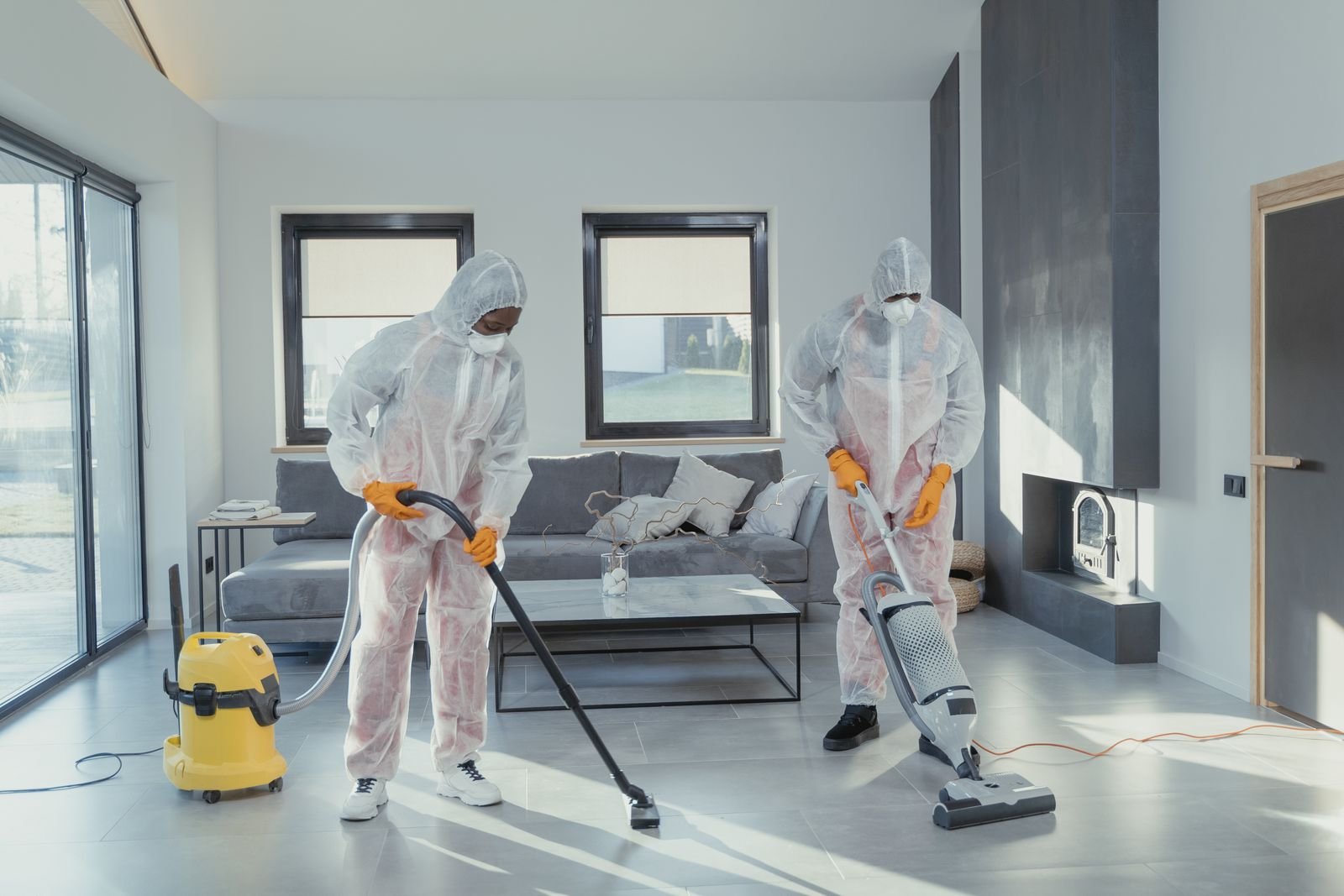
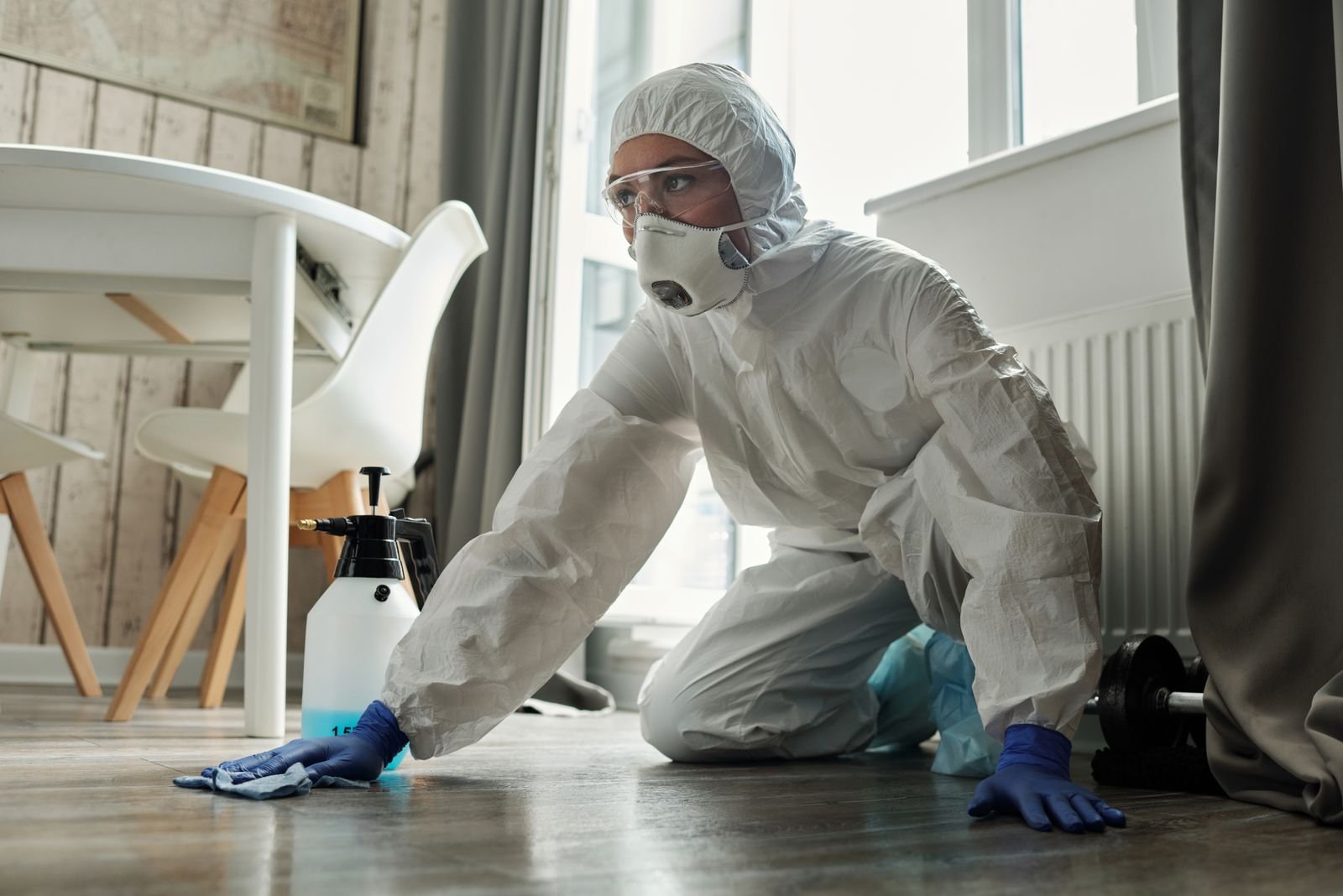
You call, we dispatch a crew, and the response moves through assessment and moisture
mapping, extraction, structural drying and dehumidification, monitoring, and full
documentation for your insurance claim. Drying generally takes several days, though the
exact timeline varies by scope and materials — we verify moisture levels rather than
promising a fixed number upfront.
Water damage vs. other emergencies
Water damage repair is a distinct concern from fire damage and storm-structural damage —
different causes, different remediation methods. The natural bridge: unaddressed water
damage is the single biggest cause of residential mold growth, which is why our water
damage mold prevention service exists as part of the same response, not a separate
concern.
Structural drying window
Professional-grade air movers and dehumidifiers — not box fans — are used to dry wall
cavities, subfloor, and framing, and moisture meters confirm materials are truly dry
before closing out a job, since surface-dry doesn't mean structure-dry.
Portland's storm and housing-stock context
Portland's Pacific Northwest atmospheric-river storm seasons put roofs, gutters, and
older plumbing under seasonal stress, and much of the city's housing stock includes older
homes with aging galvanized or cast-iron supply lines more prone to pinhole leaks and
bursts.